Building a Resilient Foundation from the Bottom Position
Developing proficiency in core ground positions is vital for every practitioner, and mastering brazilian jiu-jitsu closed guard techniques offers the ultimate defensive shield. Training in Kenwood, Ohio provides students with a detailed understanding of how smart leverage neutralizes aggressive top pressure on the mats.
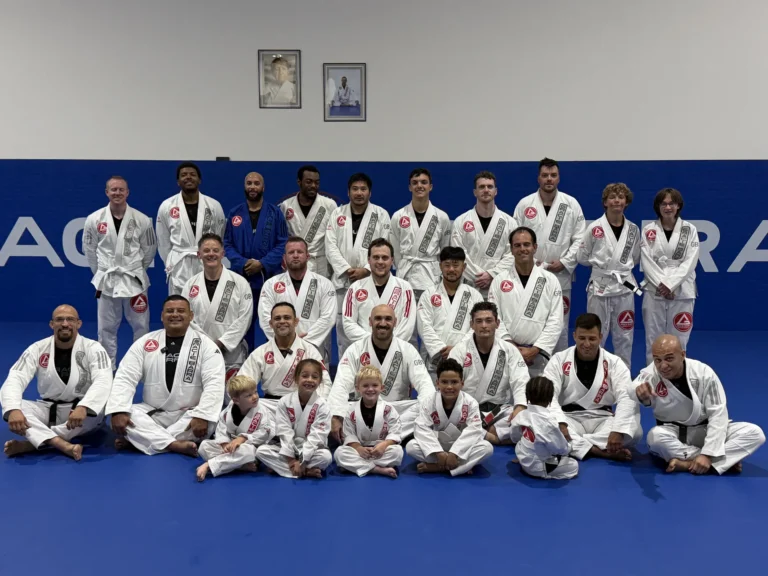
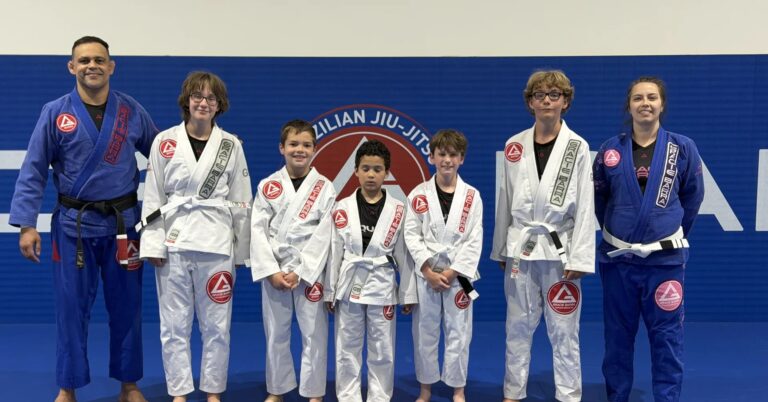
At Gracie Barra Kenwood, students learn to control distance and protect themselves against larger training partners. Regular practice of these mechanics builds genuine confidence, ensuring that fighting from your back remains a commanding offensive and defensive platform.
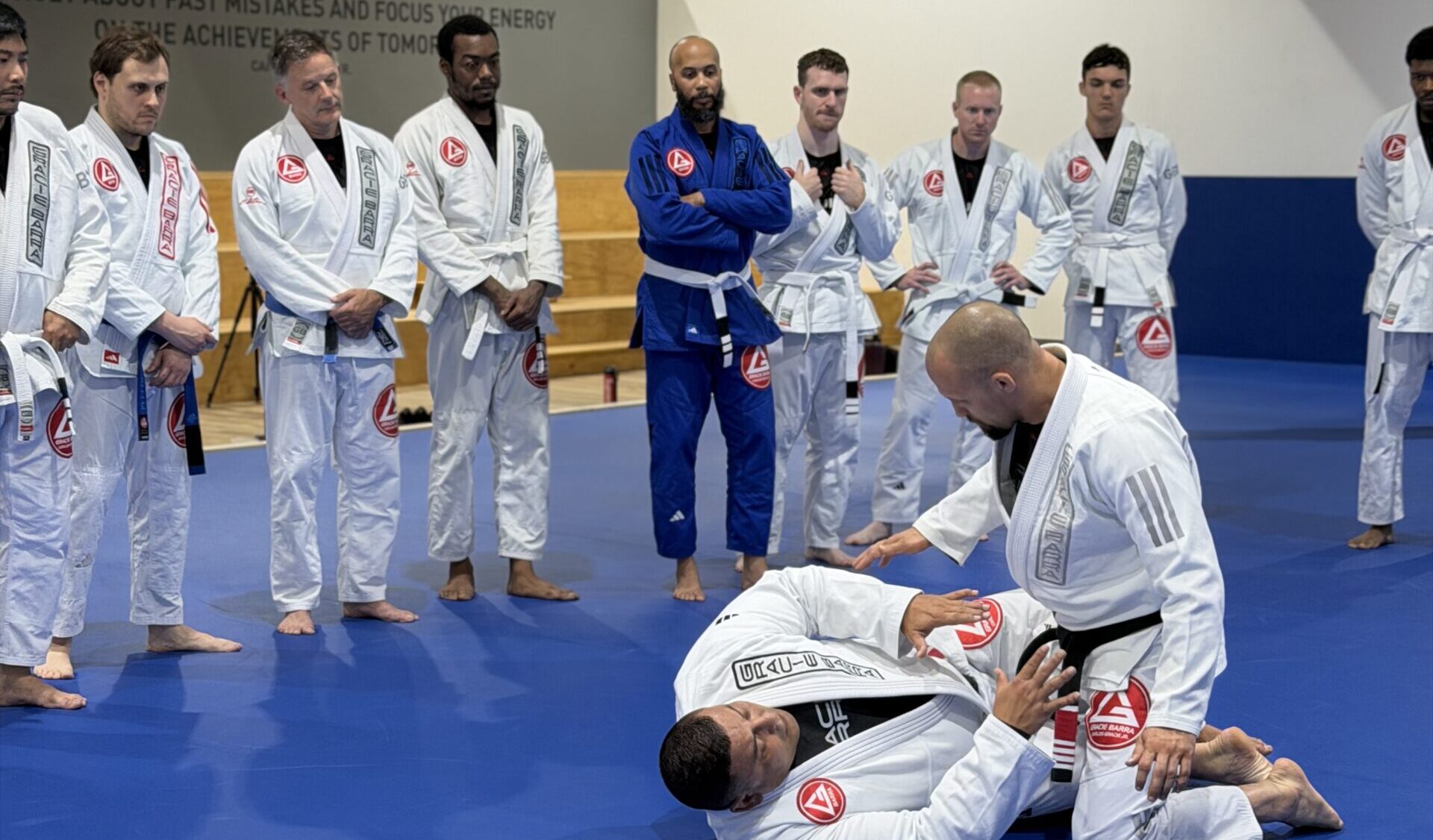
DISCOVER GRACIE BARRA KENWOOD
CLICK HEREFoundational Control and Distance Management
Controlling the engagement from bottom guard requires proactive grip fighting and continuous hip mobility. Without a reliable control framework, the top player can stand, establish solid posture, and pass your defensive perimeter.
Breaking Posture with Core Engagement
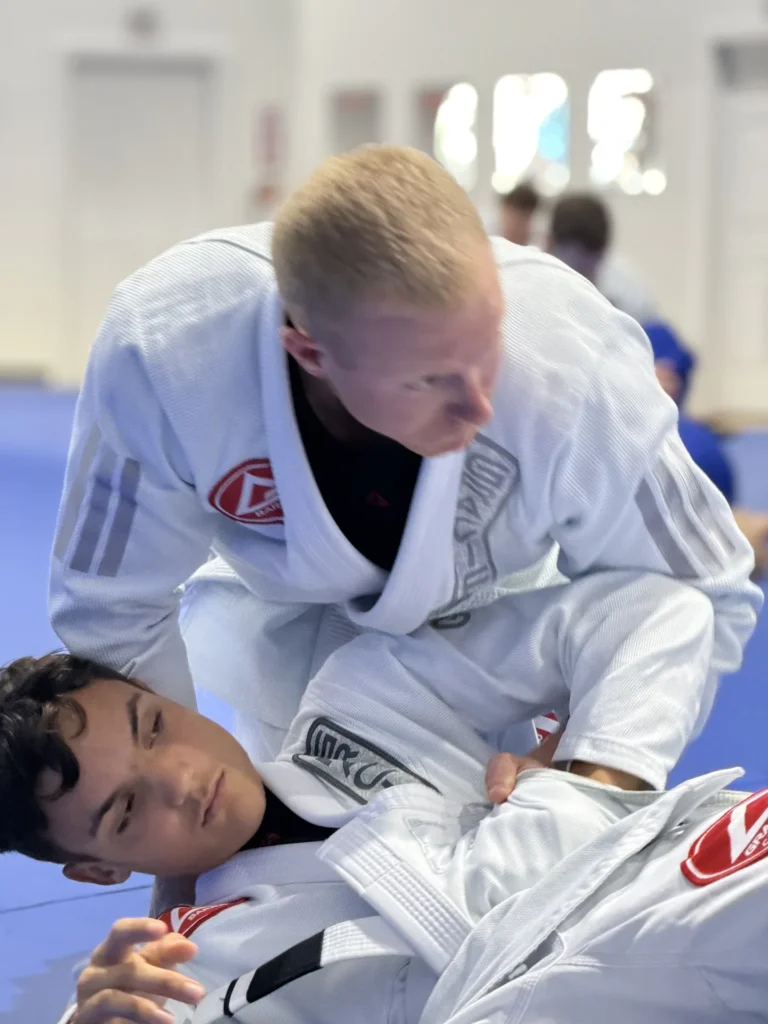
Neutralizing your opponent begins by pulling with your knees while simultaneously steering their collar toward your chest. This coordinated motion collapses their base and eliminates their immediate ability to strike or attempt forceful guard passes.
Keeping an opponent bent forward restricts their vision and compromises their center of gravity during active exchanges. Maintain strong leg pressure around their lower back to prevent them from resetting an upright, comfortable posture.
Controlling Sleeves and Lapel Grips
Establishing two dominant points of upper-body contact limits your opponent’s ability to base out or grip your pants. A solid cross-collar grip paired with tight sleeve control grants direct leverage over their neck and shoulder line.
Always avoid passive gripping, as loose hands allow your opponent to strip your connections and dictate the tempo. Rotate your wrists outward to lock the cloth firmly, maintaining constant downward tension on their lead shoulder.
Managing the Overhook Control System
Securing a deep overhook around your training partner’s arm isolates their limb and drastically minimizes their passing options. Clamp your elbow tightly against your ribs to prevent them from slipping their arm back out to safety.
Use your free hand to control their opposite collar or wrist, neutralizing their secondary posting arm completely. This asymmetrical control limits their mobility and exposes angles for immediate submission chains or off-balancing sweeps.
Neutralizing Common Guard Opening Attempts
Opponents often attempt to dig their elbows into your thighs or use rigid frames to separate your ankles. When you feel downward elbow pressure, adjust your hips laterally rather than trying to withstand the discomfort through tension.
Underhooking their lead leg or stepping your feet onto their hips provides instant distance control whenever grips slip. Staying dynamic with your hip position prevents opponents from stacking their weight directly onto your chest.
High-Percentage Sweeps from the Guard
Executing functional sweeps relies entirely on timing and momentum rather than muscular effort. Turning defense into immediate top control allows you to score points and dominate the physical interaction.
The Classic Scissor Sweep Mechanics
The scissor sweep relies on establishing cross-collar and sleeve control before creating a sharp perpendicular hip angle. Slide your top shin across your partner’s chest while placing your bottom leg flush against the mat surface.
Pulling your partner forward brings their weight onto your shin, making their base light and remarkably easy to turn. Chop your lower leg backward while kicking through with your top leg to complete a fluid mount reversal.
The Hip Bump Sweep Execution
When an opponent overcompensates by sitting their hips back to resist forward pulls, the hip bump sweep becomes available. Open your guard quickly, post onto your hand, and elevate your hips directly into their ribcage.
Trap their posting arm tightly across your chest to ensure they cannot reach out to stop their momentum. Drive through your base foot with steady intention to roll smoothly over into a dominant mount position.
The Flower Sweep and Weight Manipulation
The flower sweep works exceptionally well when an opponent maintains tight, heavy pressure with their knees pinned to the floor. Reach deep underneath their lead leg while controlling their opposite sleeve across their centerline.
Pendulum your outside leg forcefully to create sweeping rotational momentum that elevates their lower body cleanly. Follow the circular drive upward to settle into mount while retaining your grips for continuous top control.
Essential Submissions and Threat Chains
Threatening submissions forces your opponent to commit defensive errors that leave other vulnerabilities open. Combining diverse brazilian jiu-jitsu closed guard techniques keeps top players defensive and hesitant to advance their game.
Securing the Straight Armbar from the Bottom
Applying a clean armbar begins by isolating an extended limb and stepping your foot firmly onto your partner’s hip. Pivot your torso ninety degrees so your head aligns directly toward their trapped elbow joint.
Swing your free leg smoothly across their face to clamp down tight on their neck and shoulders. Keep your knees squeezed together and slowly elevate your hips to secure the submission with controlled mechanical leverage.
The Triangle Choke Setup and Angle Shift
The triangle choke requires pushing one of your partner’s arms inward while pulling their other arm across your centerline. Shoot your hips upward to lock your lead hamstring across the back of their exposed neck.
Cut a distinct angle away from the trapped shoulder before locking your top ankle firmly behind your supporting knee. Squeezing your knees while pulling downward on the head applies clean carotid pressure that demands a safe tap.
The Cross-Collar Choke and Grip Depth
Executing the cross-collar choke demands deep initial hand placement with your primary knuckles behind the curve of their neck. Slide your secondary hand underneath the lead arm to secure deep fabric on the opposite lapel.
Flare your wrists outward while pulling your elbows toward your ribs, engaging your core and back muscles together. Pull your knees toward your chest simultaneously to remove all defensive space and finish the choke efficiently.
Technical Guidance for Safe and Sustainable Practice
Mastering guard work requires patience, regular partner feedback, and careful attention to technical fundamentals over pure physical intensity. Focus on establishing structural frames and controlling your partner’s head before rushing into speculative attacks during training rounds.
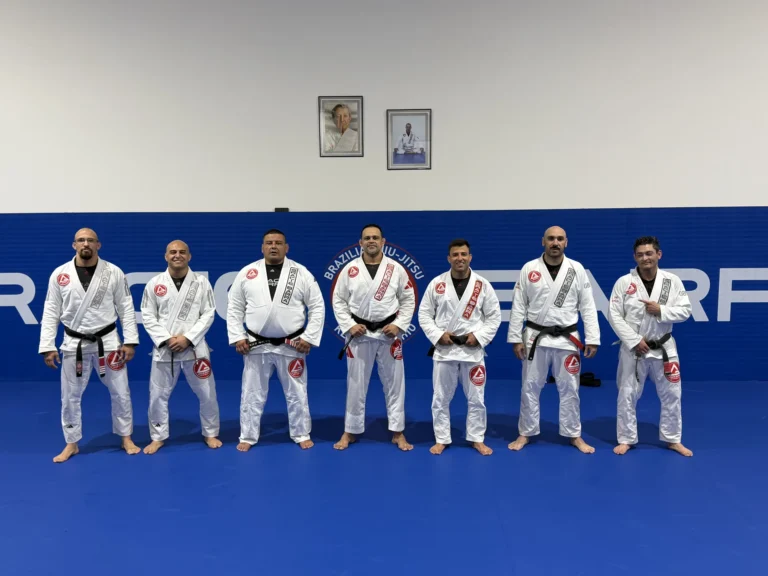
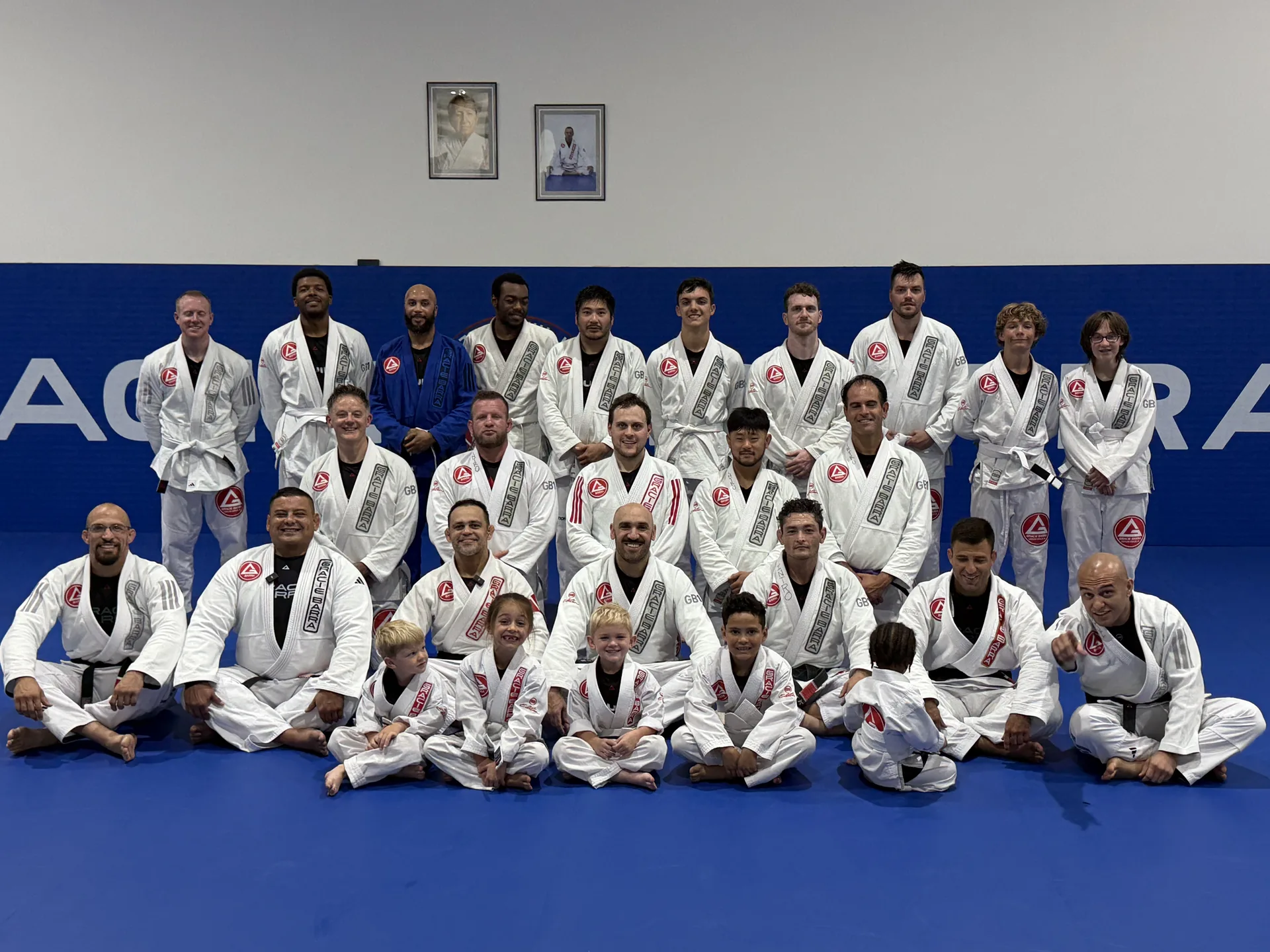
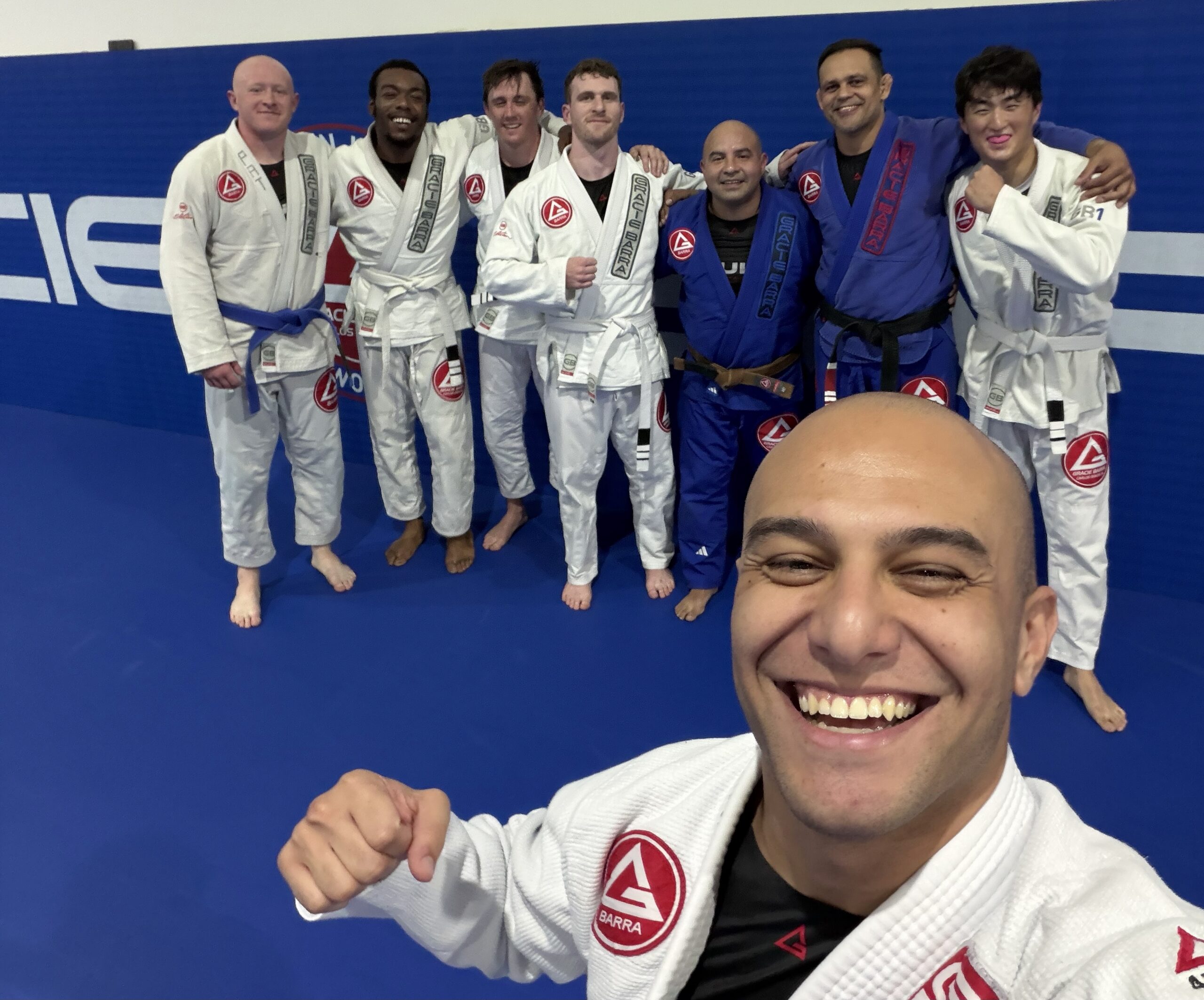
At Gracie Barra Kenwood, practitioners develop disciplined ground skills through structured daily repetition and cooperative drilling. Supporting your training partners on the mats creates an encouraging environment where everyone advances technical proficiency together safely.
Translating Fundamentals into Mat Consistency
Integrating these movements into live rolling takes methodical practice, analytical review, and steady dedication. Instead of attempting every technique at once, select one posture break and two complementary sweeps to refine each week.
Remember that discovering which grip variations work best for your body type is an ongoing, rewarding process. Treat every training round as an educational opportunity to sharpen your defense and refine your mechanical efficiency.
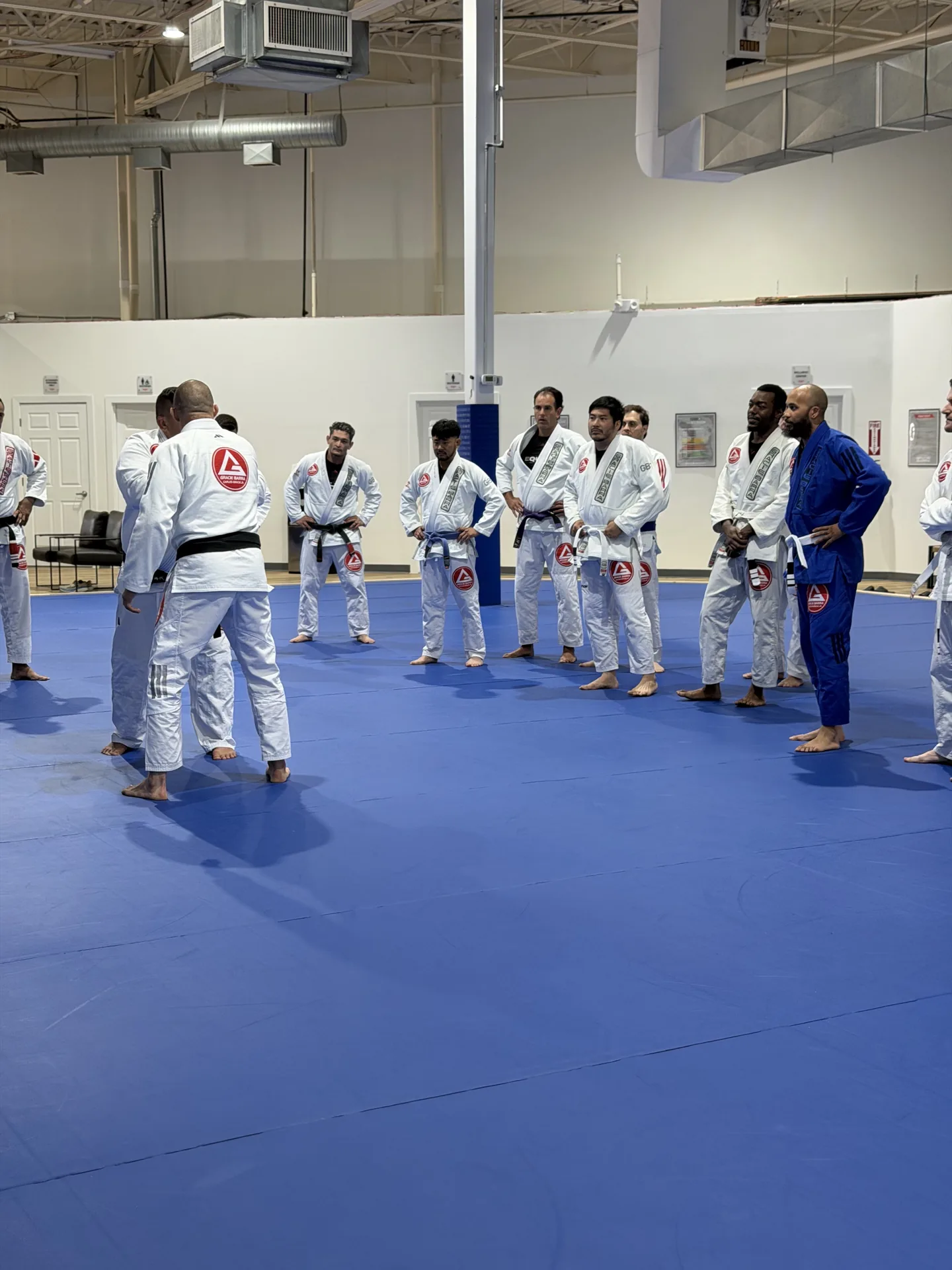
DISCOVER GRACIE BARRA KENWOOD
CLICK HEREAdvancing Your Jiu-Jitsu Journey Forward
Committing to the study of brazilian jiu-jitsu closed guard techniques transforms how you handle pressure and control opponents from any position. Building a reliable guard empowers you with the technical patience needed to excel at every stage of your development.
Residents across Kenwood, Ohio and nearby communities find that martial arts training builds physical strength, focus, and genuine camaraderie. Step onto the mats with an open mind, stay consistent with your fundamentals, and enjoy the lifelong journey of progression.