Why Escaping the Mount Matters for Every New Student
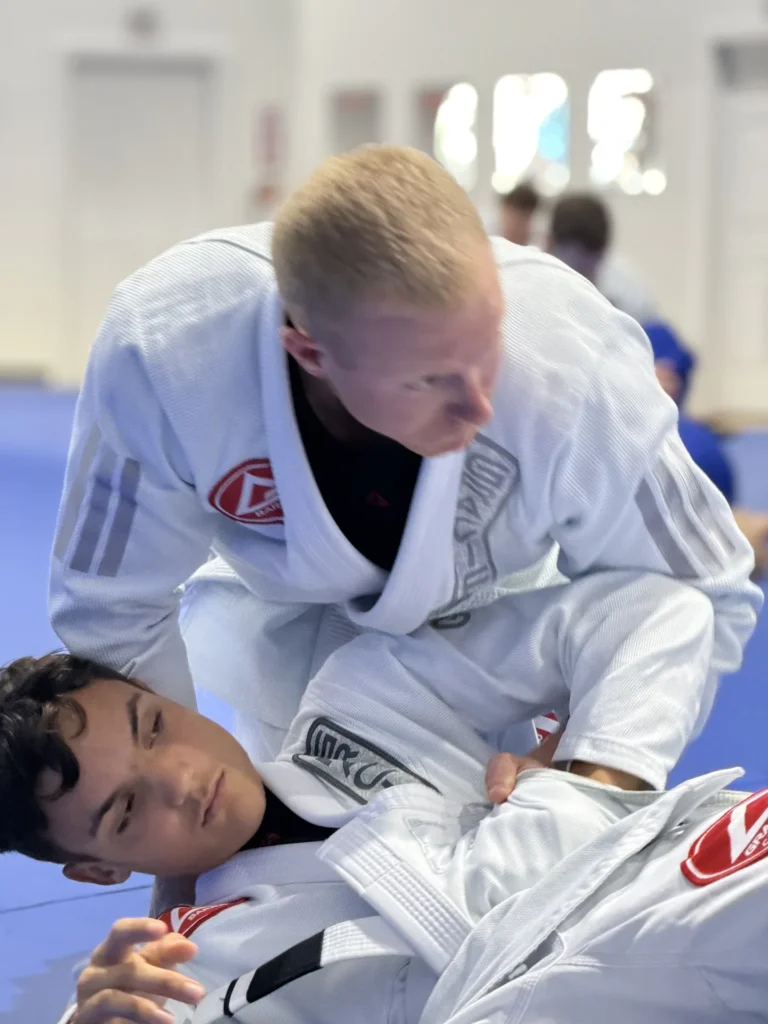
Few moments in training feel heavier than having a partner settle on your chest with their knees pinning your sides. For many beginners in Kenwood, Ohio, learning how to escape mount in BJJ is where panic starts turning into problem-solving.
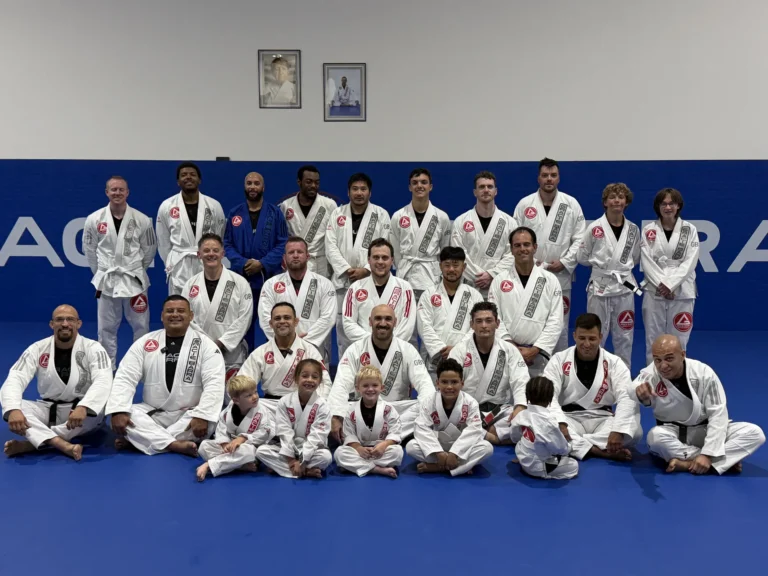
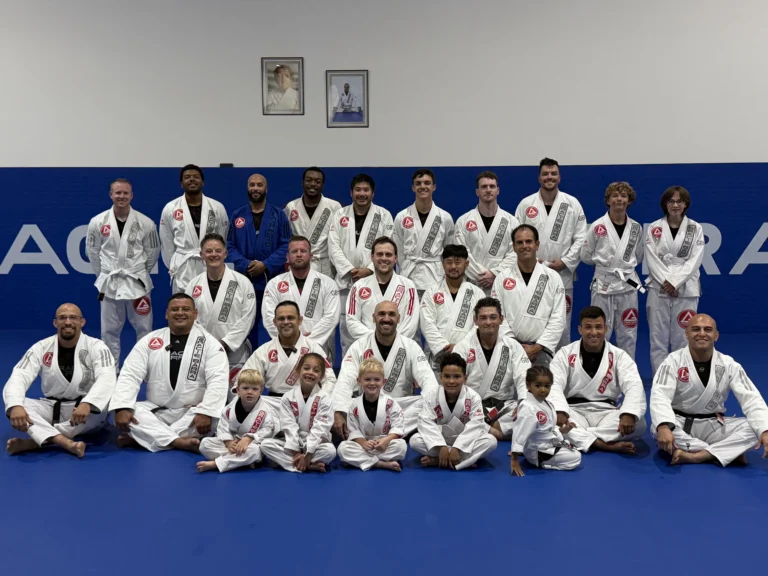
The mount is one of the most dominant positions in the sport, so escaping it is a skill worth building early. At Gracie Barra Kenwood, students train within programs organized by age and experience, which makes it easier to practice fundamentals like this at a sensible pace.
DISCOVER Gracie Barra Kenwood
CLICK HEREUnderstanding the Mount Before You Try to Escape
Escapes work best when you understand what the top player wants. Before learning techniques, know why the position is dangerous and which mechanics make escapes possible.
Why the Top Player Has the Advantage
From mount, the top player uses gravity and a wide base to control your hips and chest. They can attack your arms, set up collar chokes in the gi or, in a self-defense situation, strike from a spot you cannot easily reach.
This is why escaping depends on structure rather than strength. The same thinking applies to escaping side control, where protecting your neck and building frames comes before any big movement.
Keep Your Elbows Tight and Your Frames Ready
Your first job on the bottom is defense. Keep your elbows glued to your ribs, hands near your collar, and chin tucked so your partner cannot easily isolate an arm or slide into a choke.
Think of your forearms as a shield rather than a lever. Small frames against the hips or knees help you manage pressure, while long pushes away from your body only create openings for armlocks.
Bridge and Hip Escape Mechanics
Almost every mount escape relies on two movements: the bridge and the hip escape, often called the shrimp. The bridge lifts your hips explosively off the mat, while the shrimp slides them sideways to make room for your legs.
Good bridges drive from your feet and travel toward one shoulder, not straight at the ceiling. These movements are staples of jiu-jitsu training for beginners, since they show up in escapes from nearly every bottom position.
Stay Calm and Read the Weight Shift
Exploding blindly usually burns energy without moving anyone. Breathing steadily lets you notice where your partner’s weight sits, whether they lean forward, post a hand on the mat, or sit upright on your hips.
Each of those shifts creates a different opening. Learning to feel them turns a frantic struggle into a deliberate escape.
How to Escape Mount in BJJ: Two Core Techniques
Most coaches start beginners with two classic escapes. Each one answers a different reaction from the top player, so learning both gives you options instead of a single move to force.
The Trap and Roll (Upa)
Trap one of your partner’s arms by securing the wrist and elbow tight against your chest. Then place your foot outside their foot on that same side, so they have no arm or leg left to post with.
Bridge high over your shoulder toward the trapped side and roll into their guard. Many students meet this escape early, and knowing what happens in your first jiu-jitsu class makes those early repetitions far less stressful.
The Elbow-Knee Escape
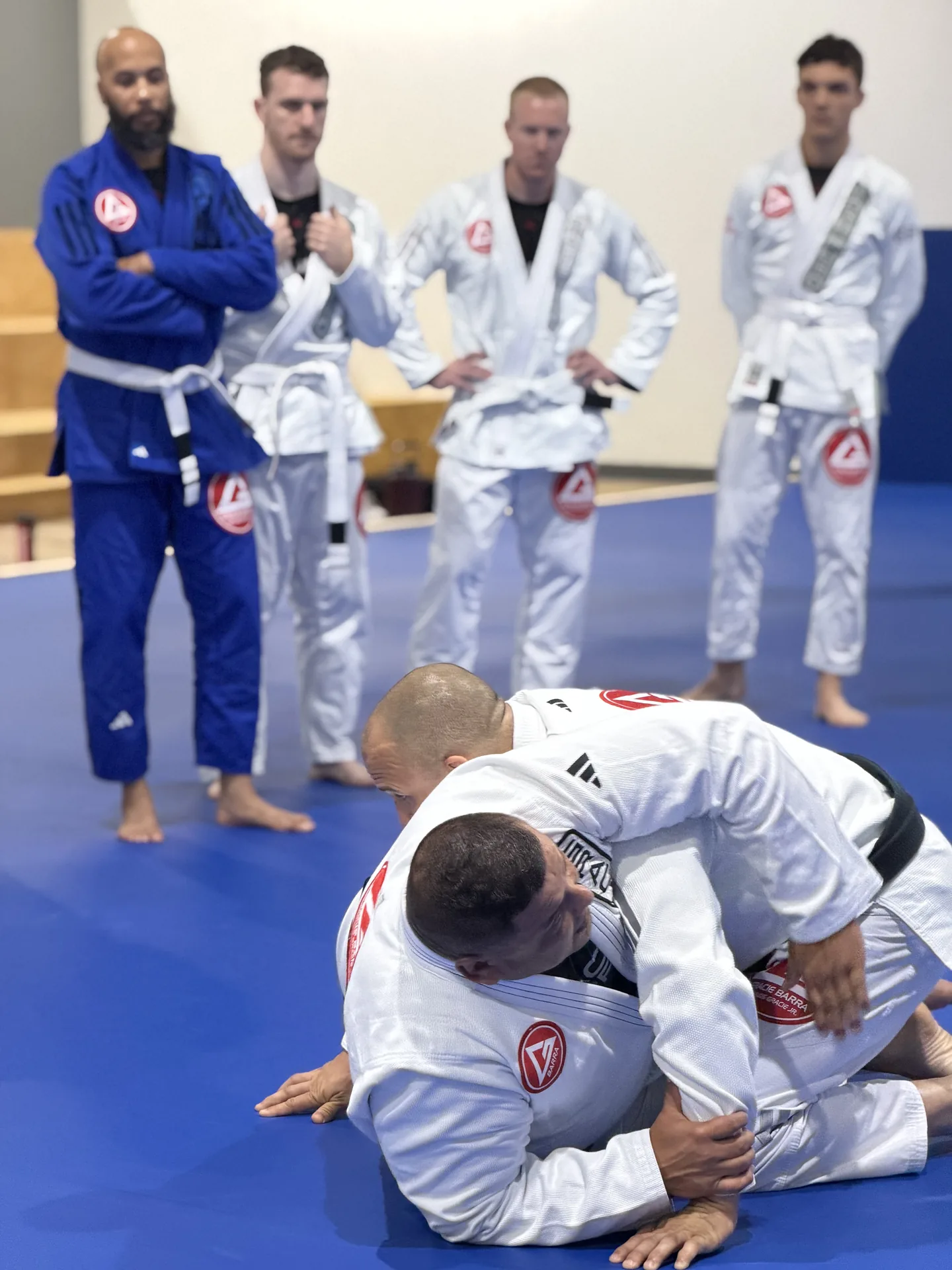
When your partner sits tall with a strong base, frame your forearm against their hip and shrimp your hips away. That small angle lets you slide your knee inside, between your body and their leg.
From there, hook their leg with yours to recover half guard, then work your second leg back in for full guard. Patience matters, since each small gain builds on the last.
Choosing the Right Escape for the Moment
If your partner leans forward or posts a hand on the mat, the trap and roll usually becomes available. If they sit upright with their weight on your hips, the elbow-knee escape often makes more sense.
Chaining the two together is where real skill develops, because a failed bridge often opens the elbow-knee path. Dependable escapes like these are a common theme for students reading about blue belt requirements as they plan their progress.
Common Mistakes That Keep You Stuck Under Mount
Knowing how to escape mount in BJJ also means knowing what not to do. These three habits show up often among newer students and usually make the bottom position worse.
Pushing With Straight Arms
Extending your arms to push a partner away feels instinctive, but it hands them the exact limb they want to attack. A straight arm on the chest is an open invitation for an armbar from mount.
Instead, keep your elbows bent and close, using frames only to manage distance. Your hips, not your arms, should do the real work of creating space.
Turning Away and Giving Up Your Back
Rolling onto your stomach to escape pressure can feel like relief for a moment. In reality, it often gives your partner your back, which is an even more dangerous position to defend.
Try to turn toward your partner, not away from them. Staying on your side and facing them keeps your frames working and keeps guard recovery within reach.
Waiting Too Long to Move
The longer you stay flat, the more time your partner has to climb higher toward your armpits. Once they reach high mount, both bridging and shrimping become far more difficult.
Start defending the moment the mount is established. Early frames and small hip movements keep your partner low on your hips, where escapes are still realistic.
How to Practice Mount Escapes Effectively
Build these skills in stages: solo bridges and shrimps first, then cooperative partner drills, and finally positional rounds starting from mount. Progressing gradually shows you how to escape mount in BJJ against real, resisting pressure.
At Gracie Barra Kenwood, our academy on Montgomery Road welcomes both beginners and experienced students. You can review the class schedule to find a session that fits your age, experience level and routine.
Putting Your Mount Escapes Together
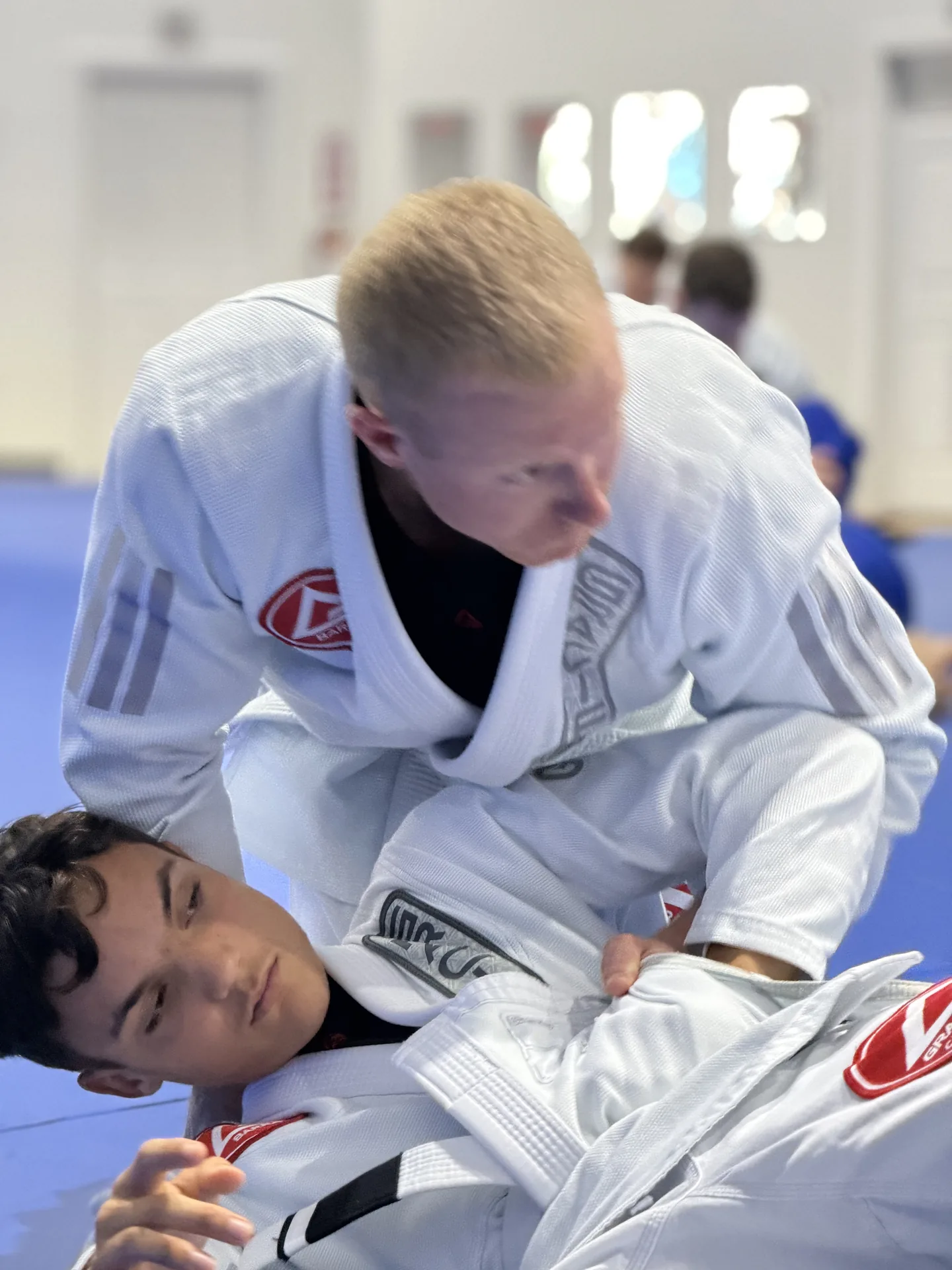
Protect your neck and arms, keep your elbows tight, and use the bridge and shrimp as your main tools. Then match the escape to your partner’s reaction rather than forcing a single technique every time.
Over time, these movements become reflexive enough to hold up under pressure. Students interested in jiu-jitsu competition training often find that calm, efficient escapes matter just as much as attacks once the intensity rises.
DISCOVER Gracie Barra Kenwood
CLICK HEREStart Building Your Escape Game
Learning how to escape mount in BJJ is less about strength and more about structure, timing, and calm decision-making. Every repetition makes the bottom position feel a little less overwhelming.
If you live in Kenwood or the surrounding Cincinnati communities and want to explore jiu-jitsu, Gracie Barra Kenwood invites you to visit, meet the team, and see these fundamentals come to life on the mat.