Stepping onto the Mats for Your First Class
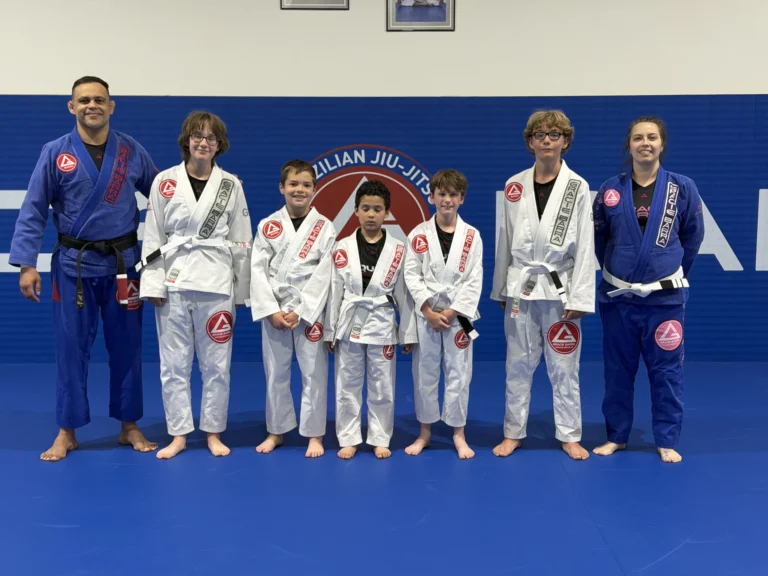
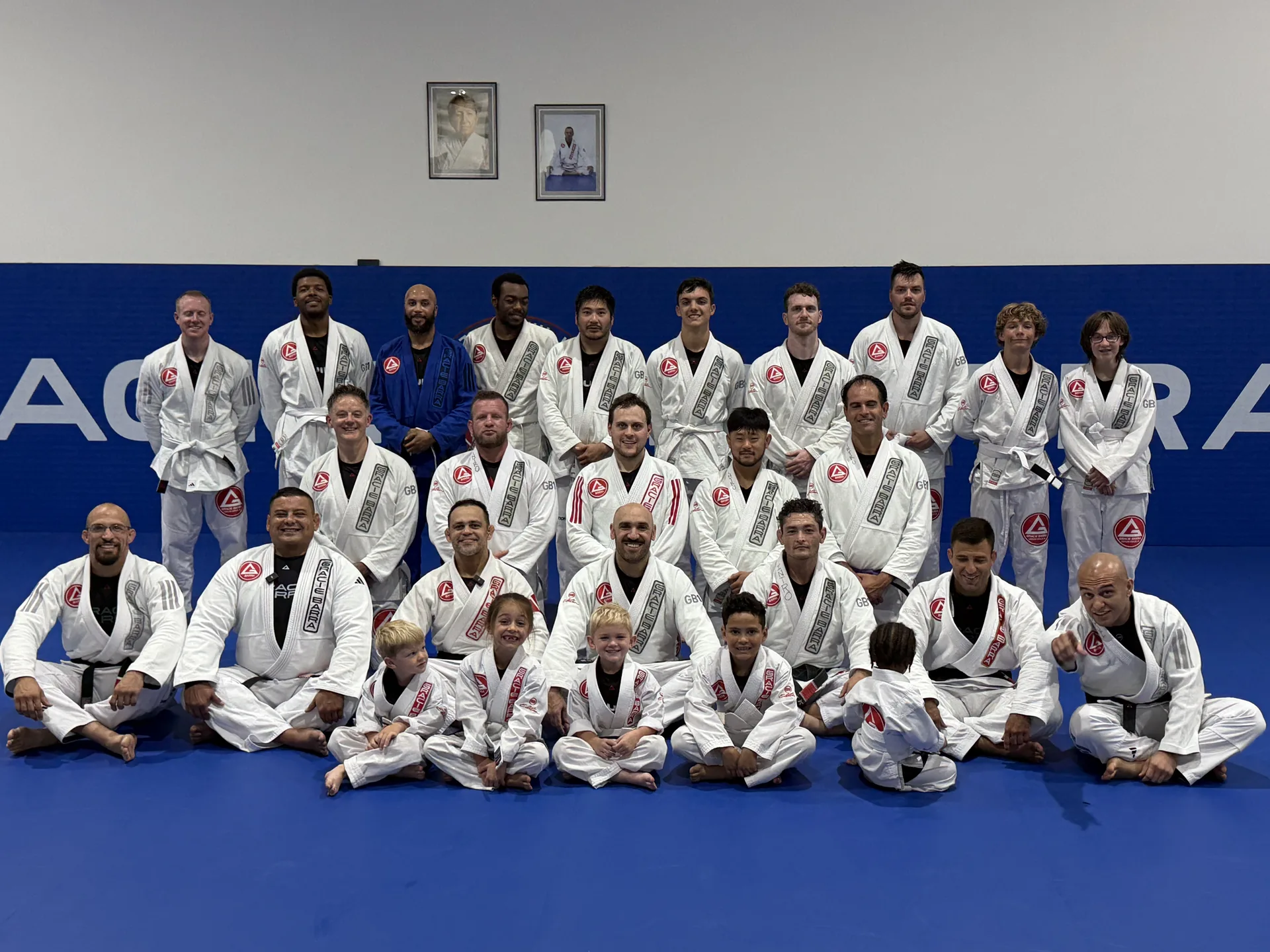
Starting a new martial art can feel intimidating, yet structured brazilian jiu-jitsu training for beginners is specifically designed to welcome newcomers safely. For adults in Kenwood, Ohio, stepping onto the mats introduces an accessible, step-by-step approach to physical fitness and practical self-defense.
At Gracie Barra Kenwood, new students do not need prior athletic experience or peak conditioning to start learning. Classes break down fundamental body mechanics into clear, manageable movements so everyone builds confidence right from day one.
DISCOVER GRACIE BARRA KENWOOD
CLICK HEREUnderstanding the Structure of Beginner Classes
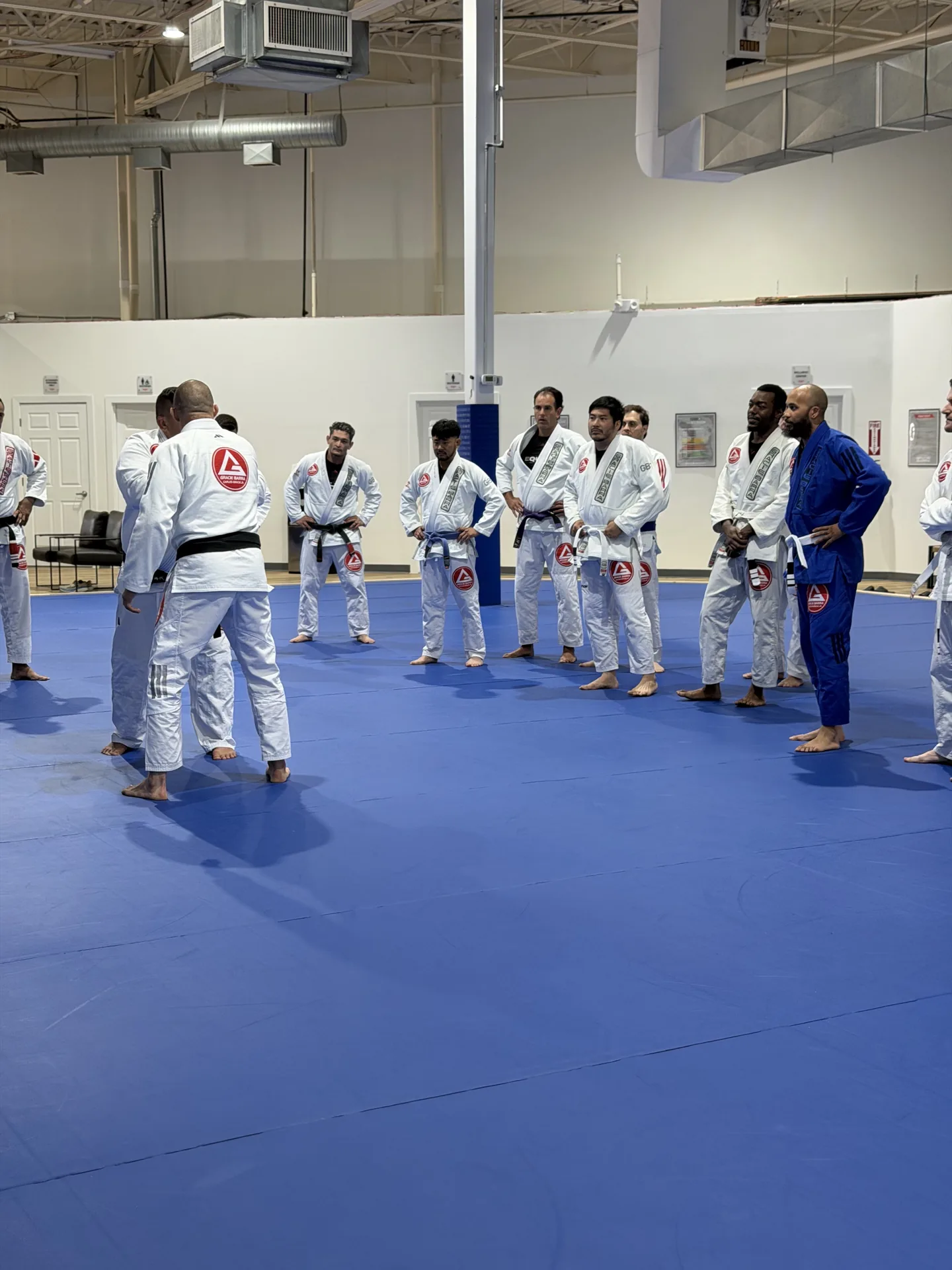
Every introductory session follows a predictable, supportive format that removes guesswork for first-time students. Knowing how a typical class flows helps you relax, focus on instruction, and enjoy the learning process.
Functional Warm-Ups and Solo Movement Drills
Classes open with dynamic warm-ups featuring solo movements like hip escapes, forward rolls, and technical stand-ups. These exercises prepare your joints for ground work while teaching the core coordination patterns used in grappling.
Practicing solo movements early in class builds muscle memory without the added pressure of a resisting partner. Over several weeks, these foundational drills become smooth, instinctive habits that protect your body during training.
Step-by-Step Technical Instruction
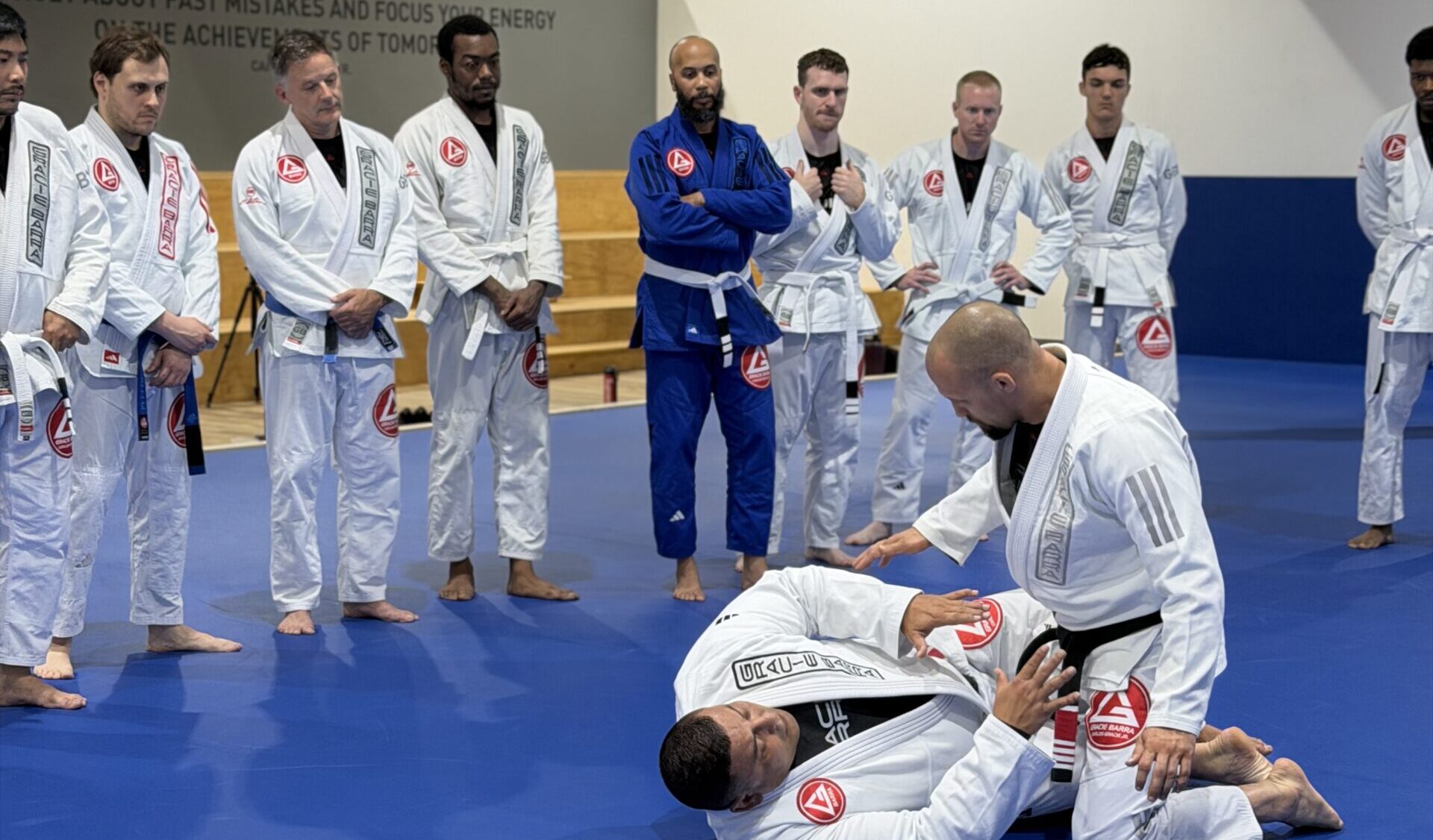
Following the warm-up, the instructor demonstrates one or two foundational techniques in clear detail. You will observe how grips, weight distribution, and leverage work together to control an opponent without relying on brute strength.
Students then pair up to practice the movements slowly at a cooperative pace. Asking questions and focusing on accurate body positioning ensures you understand the mechanics before adding any physical resistance.
Controlled Positional Sparring and Situational Drills
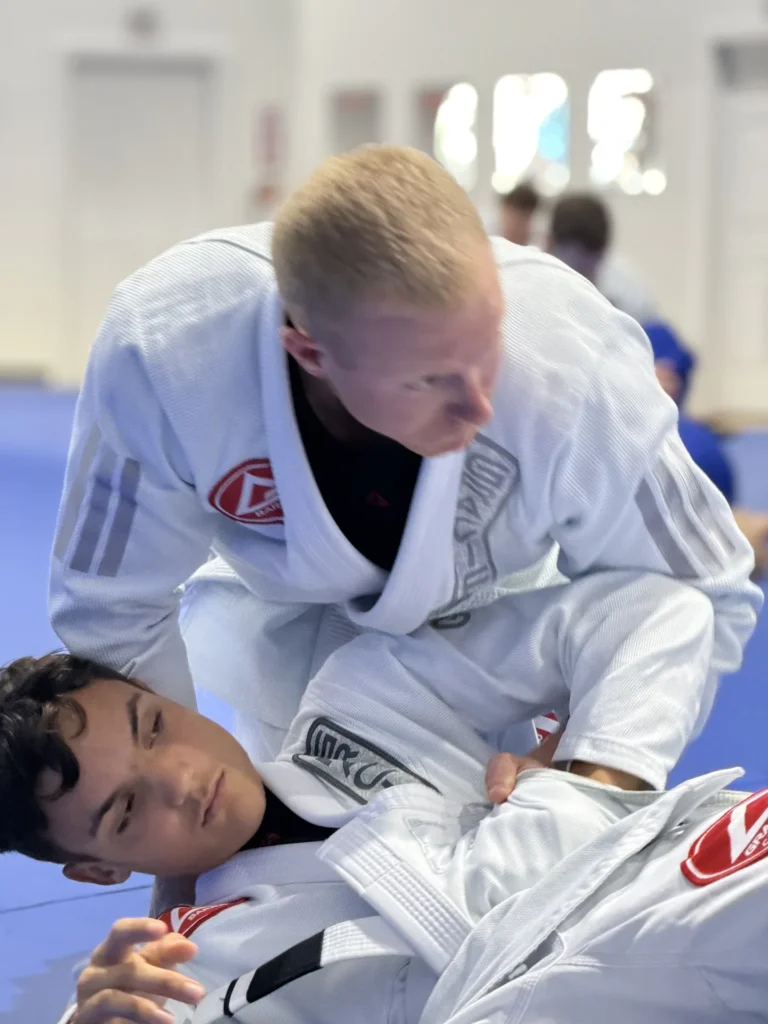
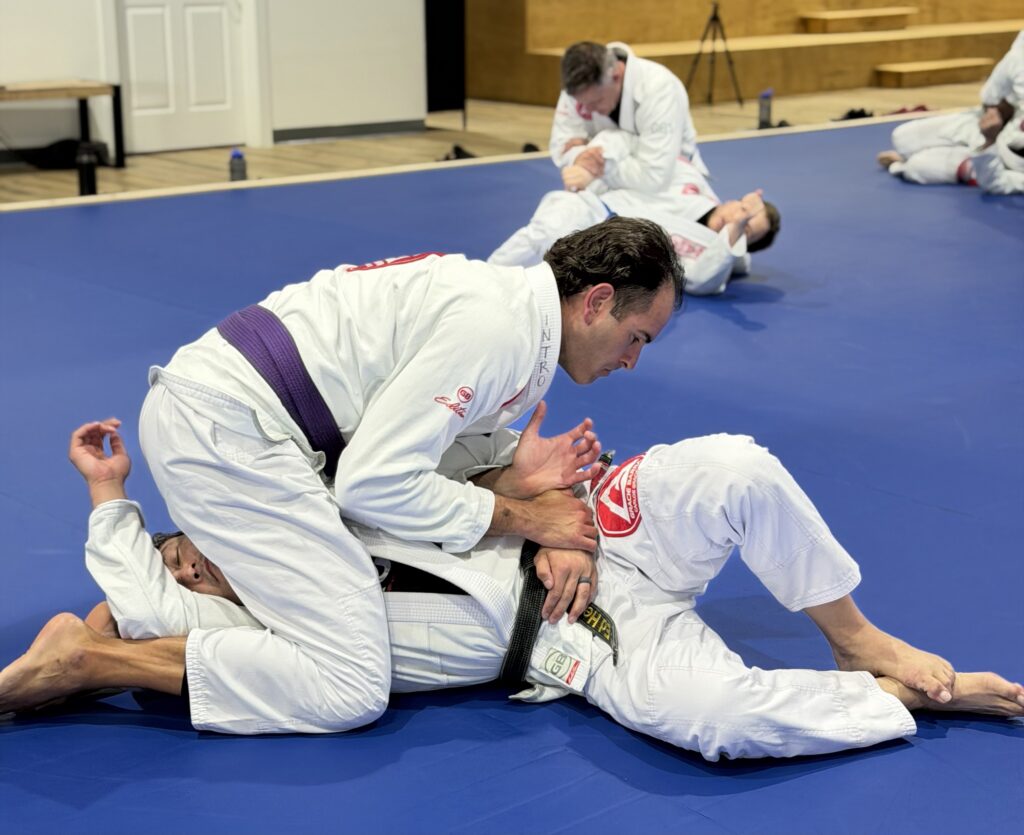
Newcomers typically begin live practice through structured positional drills rather than unrestricted sparring rounds. Starting from a specific scenario, such as escaping bottom side control, lets you apply fresh lessons in a focused setting.
Situational training keeps the intensity manageable while teaching you how to stay calm under pressure. You learn to breathe steadily, maintain protective frames, and problem-solve methodically when pinned.
Preparing Your Gear and Mat Hygiene
Arriving ten to fifteen minutes early gives you time to tie your belt, stretch lightly, and settle in before class starts. Wearing a clean uniform, trimming fingernails, and removing all jewelry keep every training partner safe on the mats.
Always wear sandals or flip-flops when stepping off the training area to visit the restroom or grab water. Maintaining strict hygiene standards protects the entire academy community and reflects respect for the training space.
Core Concepts in Brazilian Jiu-Jitsu Training for Beginners
Rather than memorizing dozens of complex sequences, new practitioners thrive by mastering a handful of universal principles. Understanding leverage, posture, and defense forms the bedrock of reliable progress on the mats.
Prioritizing Defense and Safe Escapes First
Survival skills come before offensive attacks when you are learning how to grapple. Learning how to tuck your elbows, protect your neck, and create space with your hips prevents panic in uncomfortable positions.
When you trust your defensive escapes, you stop wasting energy trying to muscle out of bad spots. Calm defensive awareness allows you to recover guard safely and reset the exchange on your terms.
Using Leverage and Frames Over Muscular Strength
Beginners frequently try to push opponents away using straight arms, which quickly fatigues the shoulders and exposes joints. Using your forearms and shins as rigid structural frames lets your skeleton support heavy weight effortlessly.
Combining frames with timely hip movement creates angles that off-balance larger training partners. Discovering how proper angles beat raw physical power is one of the most rewarding breakthroughs in early training.
Mastering the Art of Tapping Early
Tapping out is a normal, essential communication tool rather than a sign of defeat. Tapping your partner or the mat firmly signals an immediate release whenever a joint lock or choke feels tight.
Embracing the tap removes ego from the learning environment and protects your joints from unnecessary strain. Every tap highlights a defensive detail to adjust, helping you learn faster and stay healthy on the mats.
Building Sustainable Habits and Mat Etiquette
Long-term growth in martial arts relies on consistency, humility, and supportive training partnerships. Cultivating positive habits early ensures your experience stays rewarding month after month.
Pacing Your Training Schedule for Recovery
Enthusiastic newcomers often want to train every single day right away, which can lead to early soreness or burnout. Starting with two or three classes per week allows your muscles, grip, and nervous system to adapt gradually.
Staying hydrated, prioritizing sleep, and listening to your body support steady attendance over time. Consistent weekly practice always beats sporadic bursts of exhausting effort.
Communicating Clearly with Training Partners
Letting your partner know you are new helps set an appropriate, cooperative pace for drills and positional rounds. Experienced students genuinely enjoy helping beginners learn the ropes and adjust their intensity accordingly.
Mutual trust turns every training partner into a valuable resource for your personal development. Respectful communication ensures both people walk off the mats feeling energized and accomplished.
Tracking Small Wins Beyond Belt Promotions
Progress in grappling happens in subtle increments that are easy to overlook if you only measure outcomes. Remembering to breathe during a tough round or hitting a clean hip escape are meaningful victories worth celebrating.
Keeping a simple notebook of key details after class helps reinforce new concepts between sessions. Focusing on daily technical improvements keeps motivation high throughout your entire journey.
Technical Guidance for Your First Months on the Mats
Approaching brazilian jiu-jitsu training for beginners with curiosity and patience sets the stage for lasting success. Focus on posture, steady breathing, and basic defensive frames rather than worrying about keeping score during practice rounds.
At Gracie Barra Kenwood, instructors guide students through a clear fundamentals curriculum tailored to build confidence safely. Training alongside encouraging teammates helps transform initial nerves into genuine enthusiasm for learning.
Turning First-Day Curiosity into Lasting Confidence
Every advanced practitioner on the mats started as a beginner learning how to tie their belt and execute a basic hip escape. Give yourself permission to be a student, ask questions freely, and enjoy the gradual process of building new physical skills.
With regular attendance and an open mind, movements that feel unfamiliar today will soon become second nature. Consistency turns small weekly lessons into real resilience both on and off the mats.
DISCOVER GRACIE BARRA KENWOOD
CLICK HEREStarting Your Martial Arts Journey in Kenwood
Embracing structured brazilian jiu-jitsu training for beginners offers a fulfilling path toward better fitness, mental focus, and practical self-defense. By mastering foundational movements, respecting mat etiquette, and pacing your progress, you build a strong platform for lifelong growth.
For neighbors across Kenwood, Montgomery, and nearby Cincinnati communities, stepping onto the mats provides an uplifting environment to challenge yourself safely. Take that first step, stay consistent with your fundamentals, and discover what you are capable of achieving.