Understanding the Benefits of Kids Competing in Jiu-Jitsu
Many parents in Kenwood, Ohio wonder whether tournaments belong in their child’s training. The benefits of kids competing in jiu-jitsu go well beyond medals, touching confidence, resilience, and how children handle pressure.
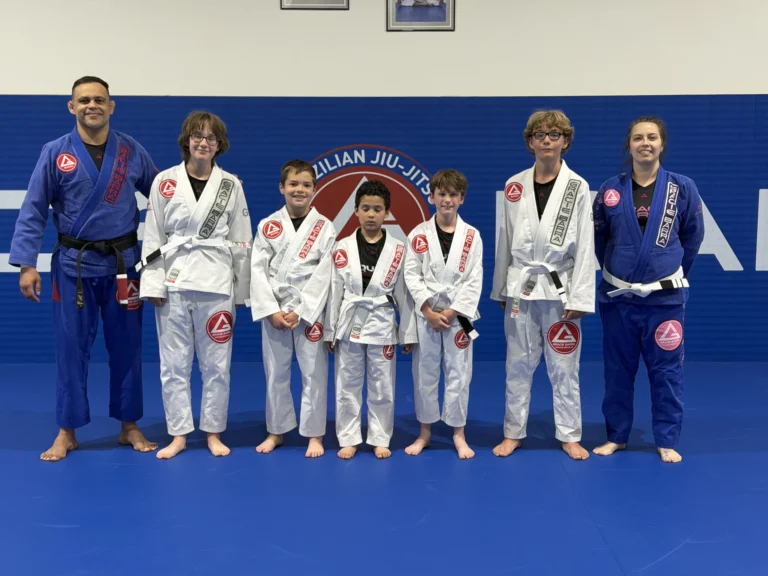
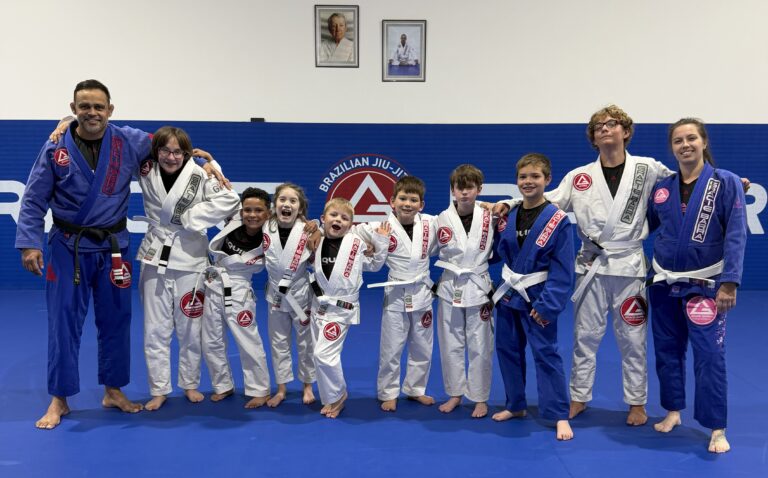
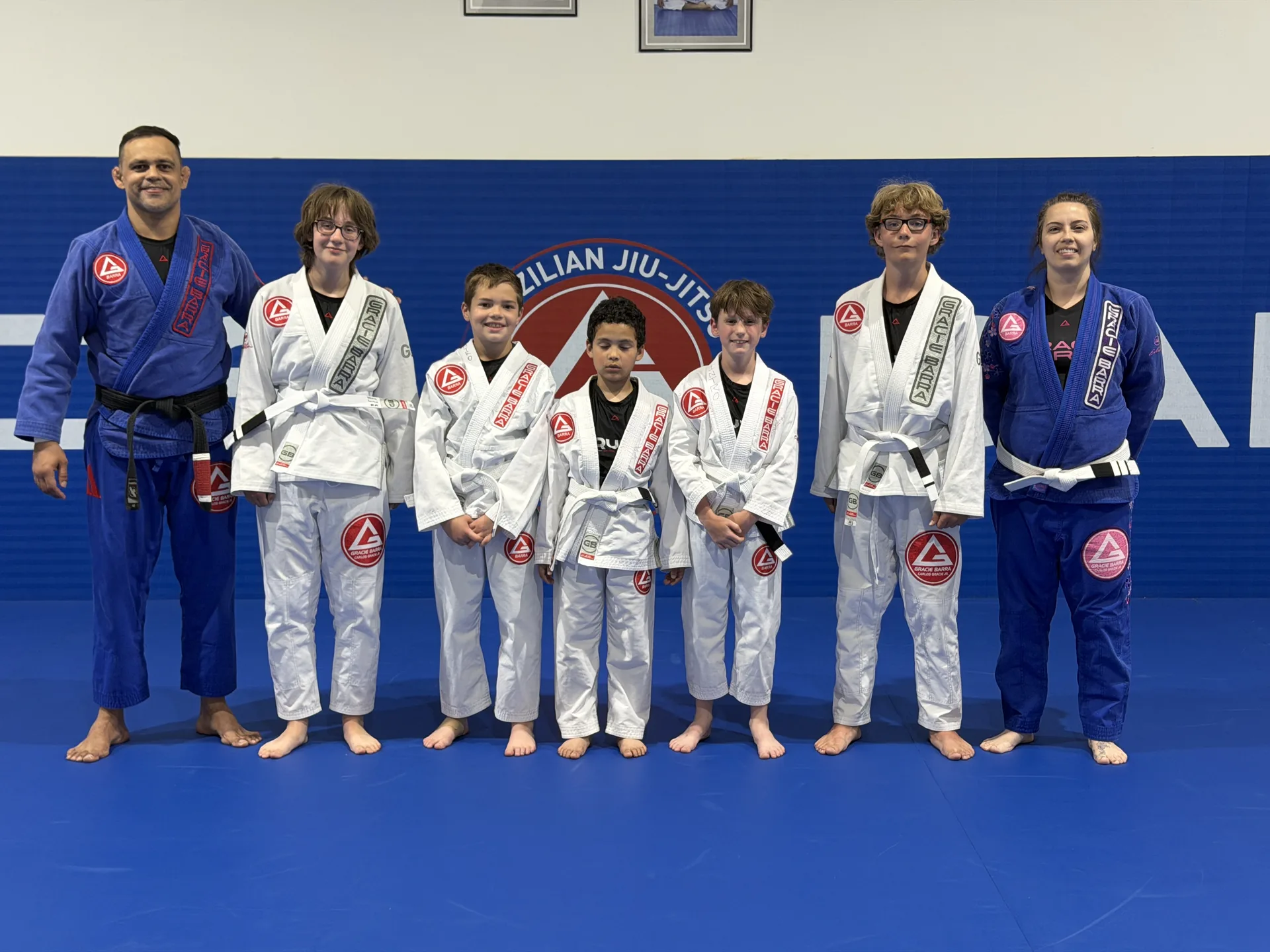
At Gracie Barra Kenwood, classes are organized by age and experience through our age-based jiu-jitsu programs, so every child can build skills at a healthy pace before deciding whether competition fits.
DISCOVER GRACIE BARRA KENWOOD
CLICK HEREPersonal Growth Through Tournament Preparation
The benefits of kids competing in jiu-jitsu begin long before match day. The weeks of preparation ask children to set a goal, practice with purpose, and face an uncertain result.
Confidence Built on Real Preparation
Confidence grows when a child sees effort turn into skill. Drilling the same escape or sweep week after week gives kids proof that practice works, and they can carry that belief into school and friendships.
Our guide on why kids should train jiu-jitsu explains how this confidence starts in everyday classes, long before any tournament enters the picture.
Staying Calm Under Pressure
Stepping onto a mat with a referee, spectators, and an unfamiliar opponent is a big moment for a child. Learning to breathe, focus, and think clearly in that moment is a skill that transfers well beyond sport.
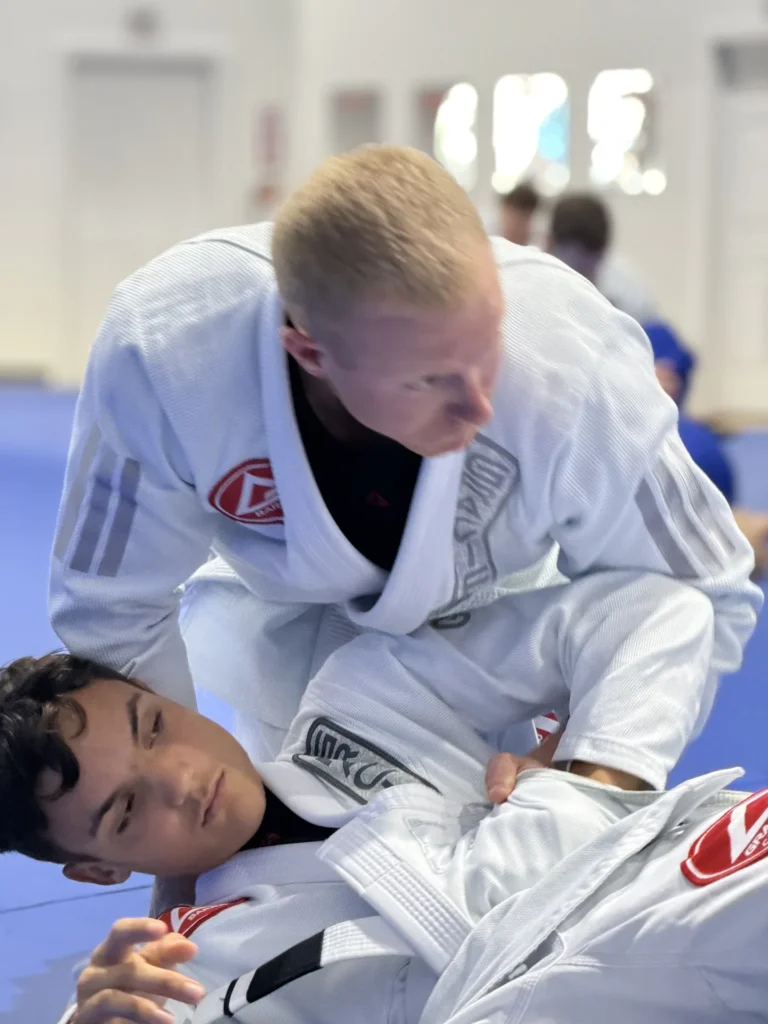
Instructors can rehearse the experience in class with live drills, where kids practice staying composed while a partner resists. Familiar pressure feels far more manageable when tournament day arrives.
Discipline and Consistent Training Habits
Competing gives practice a clear purpose. Children who know an event is coming often show up more regularly, listen more closely, and take warm-ups and drilling more seriously.
Structured preparation, including sparring rounds and match rehearsal, is covered in our overview of jiu-jitsu competition training, which shows how gradual, supervised practice builds good habits.
Learning to Handle Wins and Losses
Every tournament produces both outcomes. A child who loses a close match and still shakes hands learns that setbacks are part of growth, not a verdict on their worth.
Wins teach a different lesson: humility. Kids who celebrate respectfully and thank their training partners learn that every success depends on the people who helped them prepare.
Physical and Technical Development on the Mat
Competition also gives children a clear reason to improve their bodies and their technique. Matches reveal what is working and what still needs attention.
Coordination, Strength, and Healthy Energy Use
Jiu-jitsu asks kids to move in many directions at once, from bridging and shrimping to posturing and balancing. Preparing for matches adds conditioning that supports coordination, flexibility, and general fitness.
High-energy children often enjoy this structure most. Our post on how jiu-jitsu helps hyperactive kids thrive shows how a physical outlet with clear rules can channel energy productively.
Problem Solving Against a Real Opponent
Live matches work like fast puzzles. A child must read an opponent’s grips, adjust their balance, and choose a response in seconds, which sharpens decision-making in ways solo drills cannot.
Afterward, instructors can point to specific moments, such as a guard pass that worked or a sweep that arrived a beat late, and turn them into practical lessons for the next class.
Understanding Rules, Divisions, and Belt Levels
Youth tournaments typically group children by age, weight, and rank, so kids compete against peers at a similar stage. Learning those divisions and rules teaches fairness and respect for structure.
This also helps families understand advancement. Our BJJ belt progression guide explains how rank is earned step by step, and why patience matters at every stage.
Family and Community Support Around Competition
Competition rarely happens alone. Parents, teammates, and coaches all shape how a child experiences it, for better or worse.
Parents as Supportive Teammates
Children read their parents’ reactions closely. Cheering effort rather than only results helps kids understand that trying hard and learning something new matter more than any scoreboard.
Simple habits help: pack the gear together, talk through nerves on the drive, and ask what they learned afterward instead of only asking whether they won.
Friendships and Team Spirit
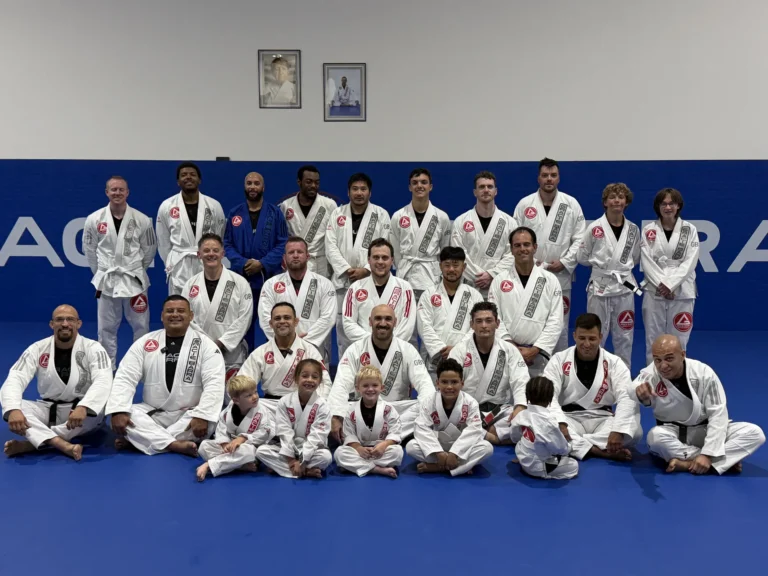
Tournament days build bonds. Kids warm up together, cheer for teammates, and share the nerves and excitement that only people standing on the same mat truly understand.
Those friendships often make regular classes more enjoyable, because training becomes something shared with people they trust and look forward to seeing each week.
Knowing When Your Child Is Ready
Not every child needs to compete, and readiness looks different for each one. Genuine interest, comfort with training partners, and a basic grasp of the rules are better signals than age alone.
Pressure from adults can backfire. The healthiest path lets a child express curiosity, try a first event with realistic expectations, and step back if the experience does not feel right.
Practical Guidance for Parents Considering Competition
Start by asking your child how they feel about competing, then talk with their instructor about preparation, divisions, and what a first event involves. Keep the focus on learning, effort, and enjoyment.
Parents in Montgomery, Madeira, Deer Park, and nearby neighborhoods can meet our instructor team at Gracie Barra Kenwood and ask how coaching can match each child’s pace.
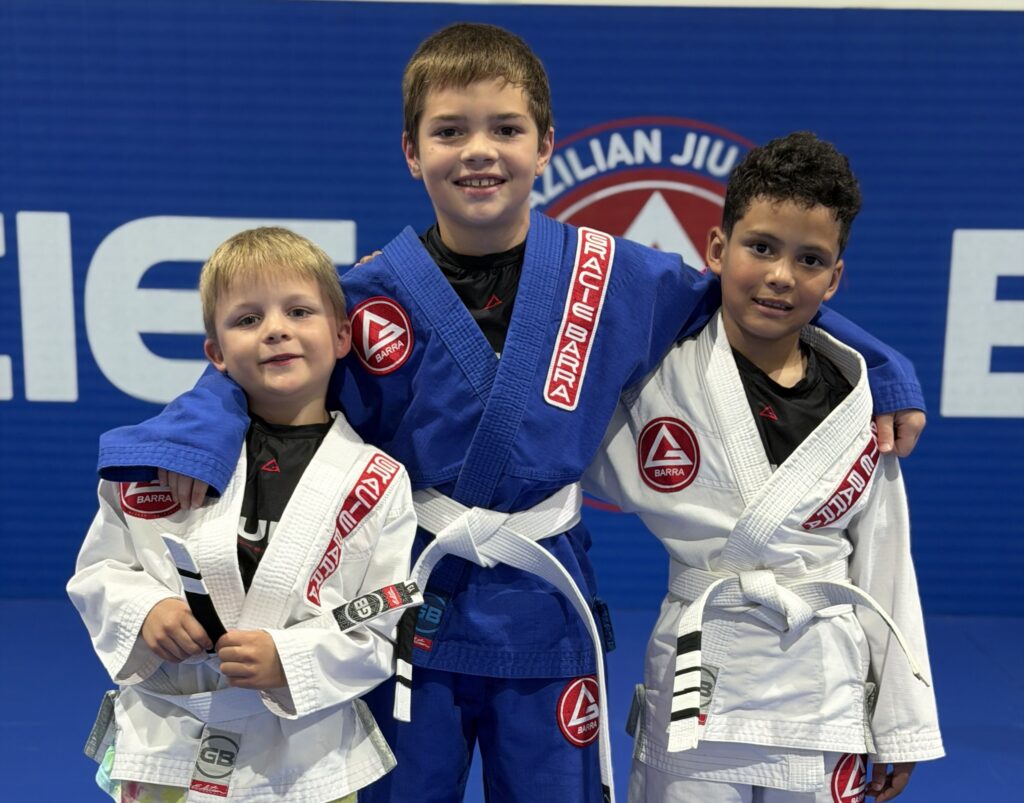
Turning Competition Into a Positive Experience
The benefits of kids competing in jiu-jitsu appear when preparation, support, and perspective work together. Goals should stay small and personal: finish the match calmly, try one new technique, and enjoy the day.
Families who train together often find these habits easier to maintain. Read how jiu-jitsu for the whole family brings parents and children into the same supportive routine.
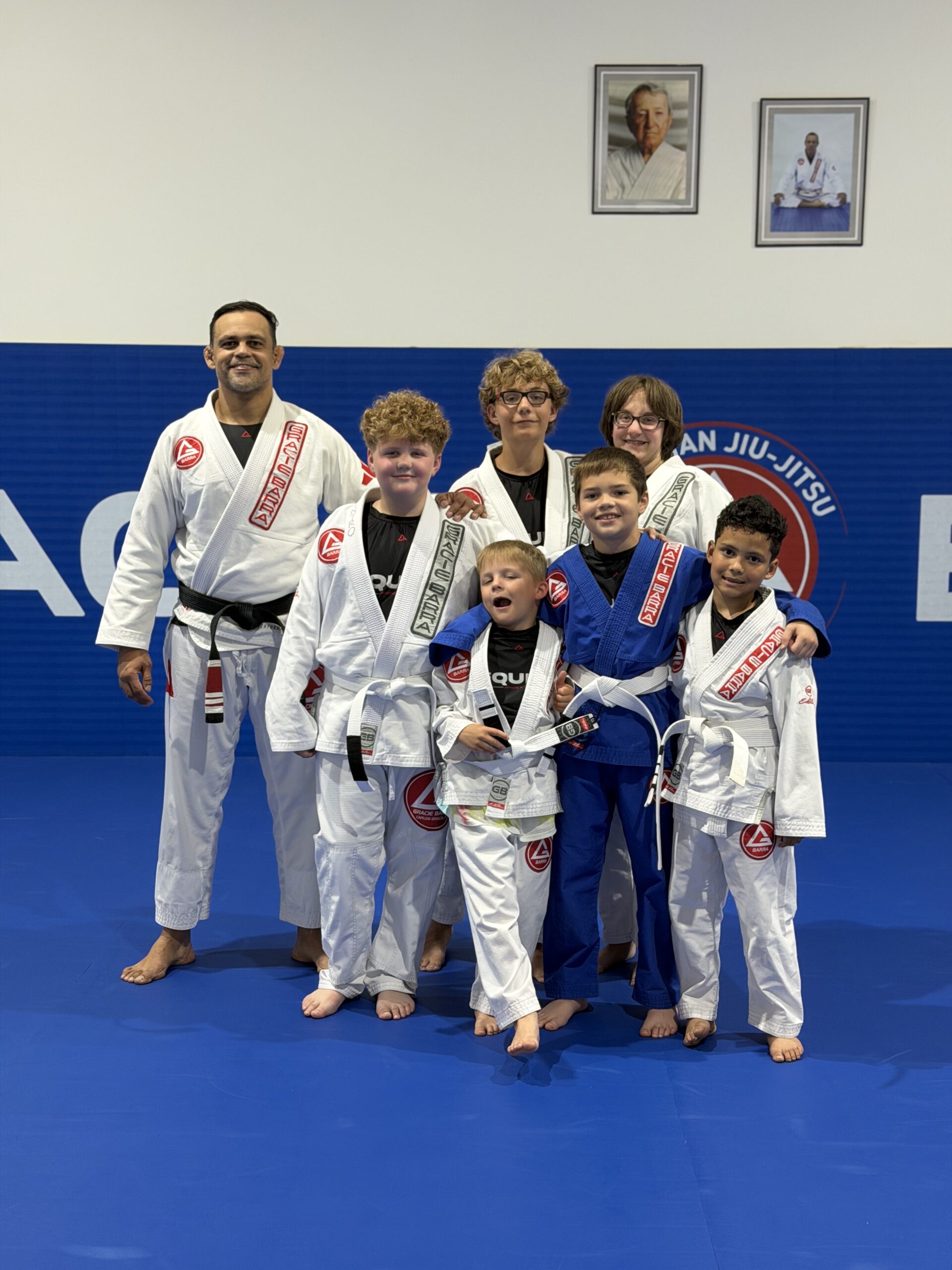
DISCOVER GRACIE BARRA KENWOOD
CLICK HEREFinal Thoughts for Kenwood Families
Competing can help children build confidence, resilience, discipline, and friendships when it is introduced thoughtfully. The benefits of kids competing in jiu-jitsu are real, but so is the value of simply training for the love of it.
If you live in Kenwood, Ohio or nearby, Gracie Barra Kenwood welcomes families to visit, ask questions, and see what youth training looks like in person.